
Using CBD to Quit Weed: Can It Really Help With Cannabis Withdrawal?
Cannabis Withdrawal Sweating: Causes & What’s Normal
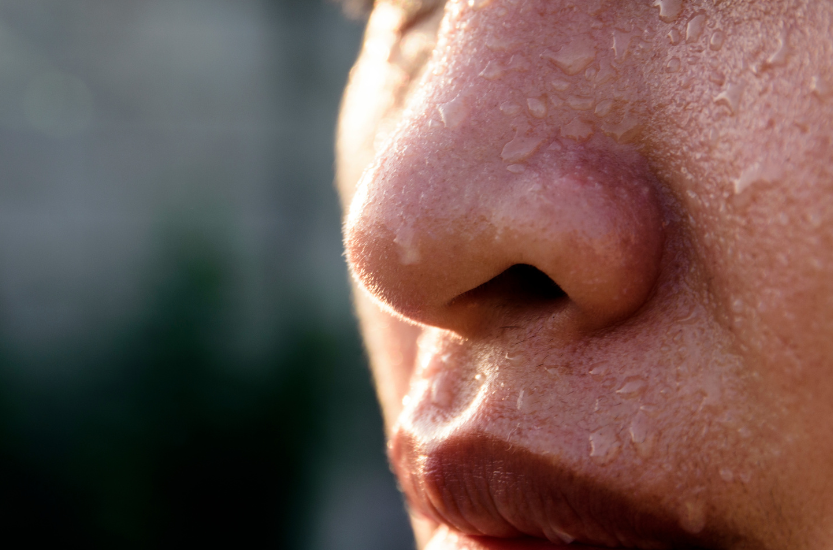
Cannabis withdrawal sweating is one of the most common physical symptoms after quitting weed.
For many people, it starts within the first days and can feel intense, especially at night.
This reaction is not random. It is part of your nervous system and metabolism recalibrating after regular THC exposure.
When Does Sweating Start After Quitting Weed?
Sweating usually begins in the first phase after quitting.
Many people notice night sweats within the first 24–72 hours. Others experience increased daytime sweating, damp hands, or sudden heat waves.
For most, the intensity decreases within one to two weeks. In some cases, milder waves can continue into the following phase while the body stabilizes.
Detox is not a collapse. It is a recalibration process. Sweating is one expression of that shift.
Why Cannabis Withdrawal Sweating Happens
There are three main mechanisms behind cannabis withdrawal sweating.
1. Nervous System Rebound
THC interacts with the endocannabinoid system and dampens certain stress responses.
When THC is removed, the nervous system can temporarily run “more activated.” Stress signaling increases, heart rate may rise, and sweat glands respond more easily.
Sweating is controlled by the autonomic nervous system. If activation rises, sweat production follows.
This does not mean something is wrong. It means your system is reorganizing.
2. Stress Hormones and Early Withdrawal
The first days after quitting can feel internally tense.
Your brain has learned to regulate stress with cannabis. Without that shortcut, cortisol and adrenaline activity can temporarily increase.
Stress hormones stimulate sweat glands via cholinergic pathways. The result:
– night sweats
– sudden warmth
– damp skin without physical exertion
This is especially common in people who used cannabis daily for emotional regulation.
3. Metabolic Adjustment After THC
THC is stored in fat tissue and released gradually. As the body shifts back to its own baseline regulation, metabolism adapts.
Sweating itself is not “detoxing THC” in a direct chemical sense. The liver and kidneys handle that.
But during metabolic adjustment, thermoregulation and stress sensitivity can fluctuate. Sweating becomes more noticeable.
If you want a structured overview of what typically happens across phases after quitting, you’ll find a clear explanation here:
What really happens after you quit weed?
Why Night Sweats Are So Common
Night sweats are particularly frequent during cannabis withdrawal.
At night, your body shifts into recovery mode. Temperature regulation and hormonal patterns change. REM sleep rebounds after being suppressed by THC.
This REM rebound can increase autonomic activation. Combined with stress-system recalibration, sweating becomes more likely during sleep.
Many people wake up soaked and assume something is wrong.
In most cases, it is temporary. As sleep architecture stabilizes, sweating decreases.
Why Your Sweat Smells Different
Another common question:
“Why do I suddenly smell different?”
Sweat itself is mostly water. Odor appears when skin bacteria break down sweat components.
During withdrawal, stress chemistry shifts. Hormonal patterns change. Sebum composition can fluctuate.
This alters how bacteria interact with sweat, which can change body odor temporarily.
It is not a sign of toxins leaving in a dramatic way. It is a sign of internal chemistry adjusting.
How Long Does Cannabis Withdrawal Sweating Last?
For most people:
– Starts within 1–3 days
– Peaks in the first week
– Gradually improves over 1–3 weeks
Heavier long-term users may experience longer fluctuations, but intensity usually decreases steadily.
If sweating persists beyond several weeks or is accompanied by other concerning medical symptoms, medical evaluation is appropriate.
Otherwise, it is part of short-term nervous system recalibration.
What Helps Reduce Sweating During Withdrawal?
The first step is interpretation.
Sweating feels uncomfortable. But when you understand the mechanism, it becomes less threatening. And reduced fear lowers stress activation.
Practical stabilizers include:
– Reducing caffeine and other stimulants
– Wearing breathable clothing
– Hydrating consistently
– Light movement to regulate stress physiology
– Maintaining a stable sleep routine
Some people temporarily use calming supports. These should remain supportive tools, not new rituals.
CBD, for example, is sometimes used in early withdrawal phases. It should never replace smoking behavior and should be viewed as a temporary regulatory aid rather than a substitute pattern.
If anxiety is the main driver behind sweating, this deeper explanation may help:
Overcoming cannabis withdrawal anxiety.
Practical Understanding
Sweating is not a sign that you are failing.
It is not proof that your body is damaged.
It is not evidence that quitting was a mistake.
Cannabis withdrawal sweating is a short-term autonomic adjustment.
Your nervous system learned one form of regulation. Now it is rebuilding its own baseline.
When activation decreases, sweating decreases.
Conclusion
Cannabis withdrawal sweating is common, especially in the first phase after quitting weed. It results from nervous system rebound, stress hormone fluctuations, and metabolic recalibration.
It can feel intense. It can change body odor. It can disrupt sleep.
But it is temporary.
Symptoms during withdrawal are not regression. They are movement toward stability.