Using CBD to Quit Weed: Can It Really Help With Cannabis Withdrawal?
What Happens After You Quit Weed?
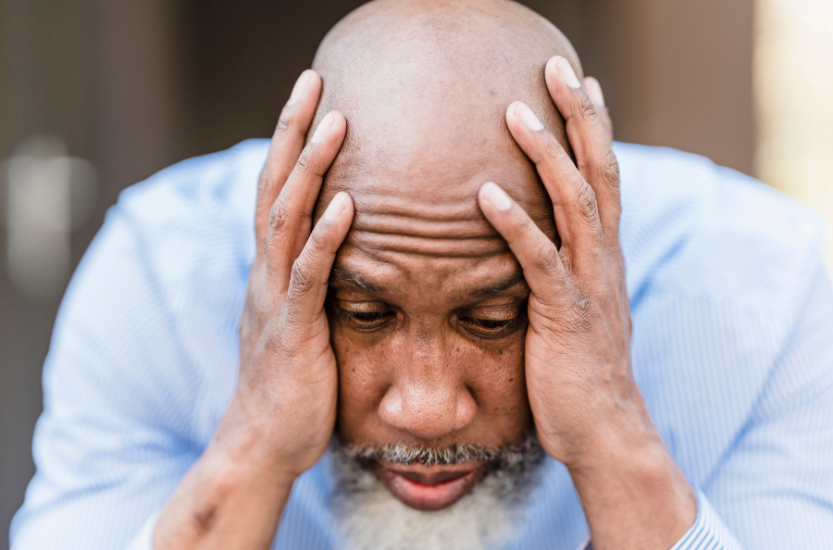
If you quit weed and suddenly feel worse instead of better, you’re not alone. Most people expect quick relief — clearer thinking, better sleep, more stable emotions. When the opposite happens, it’s easy to assume something is wrong.
But in most cases, nothing is wrong. Your body and mind are recalibrating.
This reset usually follows a pattern. And once you understand that pattern, the whole process feels less chaotic.
Why do you feel worse after quitting weed?
When you stop using cannabis, your nervous system has to adjust. THC has influenced your sleep cycle, stress response, dopamine regulation, and emotional processing. Once it’s removed, your system doesn’t instantly stabilize. It recalibrates.
That recalibration can feel uncomfortable.
Sleep may become lighter. You might wake up more often or experience intense dreams. Emotions can feel louder. Anxiety can appear in waves. Some people feel restless, foggy, or unusually tired.
On average, this reset lasts around seven weeks. For long-term or heavy users, it can take up to three months before everything feels consistently balanced again.
Discomfort doesn’t mean damage. It usually means your system is reorganizing.
What are the three phases after quitting weed?
Most people move through three broader phases: Release, Resilience, and Clarity.
Not everyone experiences them in the same way. But the general progression is surprisingly consistent.
Understanding which phase you’re in reduces panic. And reducing panic lowers relapse risk.
What happens in the Release phase?
The Release phase is the physical reset.
Your body begins functioning without THC. During this period, you may notice restlessness, lighter or broken sleep, vivid dreams, night sweats, tension, headaches, reduced appetite, or mild digestive discomfort.
Cravings are often strongest here. But early cravings are usually biological. Your brain got used to a fast shortcut for relief and dopamine. When that shortcut disappears, the brain reacts.
That reaction isn’t weakness. It’s adaptation.
Some people even experience a short energy surge at the beginning, almost like their system is waking up after being dampened for years.
Uncomfortable does not mean damaged. It means resetting.
Why is the Resilience phase so mentally difficult?
The Resilience phase shifts from physical to psychological.
By now, your body often feels more stable. But emotionally, things can feel louder. You may notice irritability, mood swings, anxiety, boredom, low motivation, or brain fog.
This is where many people misinterpret what’s happening.
For a long time, weed may have softened stress or muted uncomfortable thoughts. When you remove that layer, those emotions don’t disappear. You experience them directly.
If anxiety becomes one of the dominant symptoms during this stage, it helps to understand cannabis withdrawal anxiety and why your nervous system can feel “on edge” while it stabilizes.
This is also the phase where people often say they “relapsed out of nowhere.” But relapse rarely starts out of nowhere.
It usually begins with a quiet negotiation. Maybe just once. Maybe I can control it now. Maybe it wasn’t that bad.
If that mental negotiation feels familiar, it can help to look at the deeper reasons why you can’t stop smoking weed and why willpower alone often isn’t enough.
Resilience isn’t about feeling good. It’s about building the capacity to sit with discomfort without escaping it.
What changes in the Clarity phase?
The Clarity phase is where stabilization becomes noticeable.
Sleep becomes more predictable. Energy levels even out. Emotional waves feel less sharp. Focus improves. Memory becomes clearer. You feel more present in conversations and more intentional in decisions.
But clarity also brings perspective.
You may reflect on your past and feel frustration about time lost or choices you would make differently. That reflection can feel uncomfortable, but it isn’t regression. It’s awareness returning.
The question shifts from “How do I survive withdrawal?” to “What kind of life do I want now?”
Long-term stability isn’t built by simply avoiding weed. It’s built by restructuring routines, stress management, evenings, and identity.
If nothing changes structurally, old patterns tend to return.
Practical Understanding
If something feels off after quitting weed, pause before assuming something is wrong with you.
Ask yourself which phase you’re in.
If it feels physical and restless, it’s likely Release.
If emotions feel louder and unstable, it’s probably Resilience.
If you feel clearer but more reflective, you’re likely in Clarity.
Understanding the phase reduces confusion. And when confusion drops, so does panic.
Your system isn’t breaking down. It’s reorganizing.
A final thought
Quitting weed isn’t a straight path from discomfort to instant peace. It’s a structured reset. Your body recalibrates. Your emotions resurface. Your mind clears.
When you understand the pattern, the process feels less random and more manageable.