
Am I Smoking Too Much? | Free Cannabis Self-Test & Assessment
Why Today’s Cannabis Is Stronger Than Ever
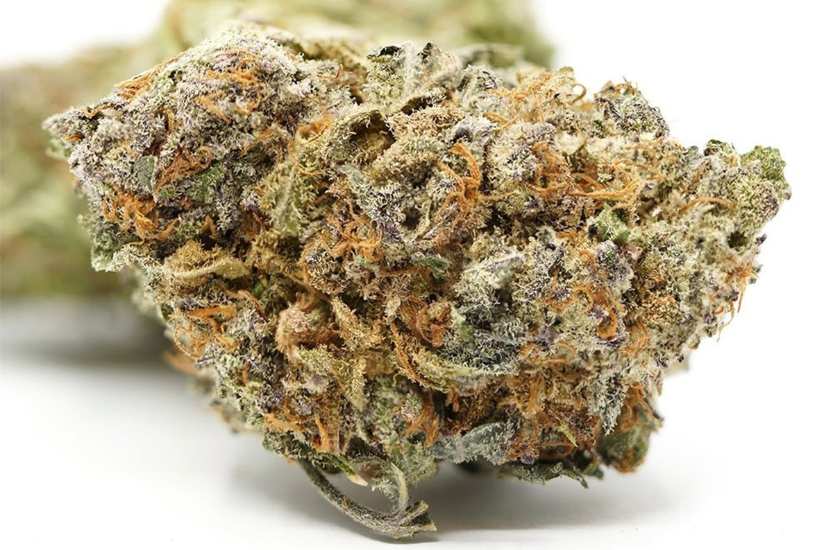
Many people assume cannabis today is the same plant that existed decades ago. But in reality, modern cannabis has changed significantly.
One of the biggest differences is potency. Over the past thirty to forty years, the average THC content in cannabis has increased several times over. This shift didn’t happen by accident. It is the result of breeding practices, cultivation techniques, and changing market dynamics.
Understanding why cannabis became stronger helps explain why experiences with the drug can feel very different today compared to the past.
Cannabis Has Changed Dramatically Over the Last Decades
Researchers have tracked cannabis potency for decades by analyzing confiscated samples and products from legal markets.
One of the most widely cited long-term datasets comes from analyses of cannabis seized by law enforcement in the United States. These studies show a clear trend: the average THC concentration has steadily increased since the 1970s.
In the mid-1990s, the typical THC level in cannabis was around 3–4 percent.
By the early 2010s, the average had climbed to roughly 12 percent. In many legal markets today, cannabis flowers commonly reach 15–25 percent THC.
Some extracts and concentrates contain far higher levels.
The plant itself has not changed naturally. Instead, humans have selectively shaped it.
What THC Levels Looked Like in the Past
Cannabis in the 1960s through the early 1990s was usually much milder than what is commonly available today.
Several factors contributed to this.
First, much of the cannabis circulating internationally came from outdoor fields where plants produced seeds. Seeded cannabis typically has lower cannabinoid concentrations because the plant invests energy into reproduction.
Second, cultivation techniques were less controlled. Lighting, nutrients, and environmental conditions varied widely.
Studies analyzing confiscated cannabis from the 1970s show that many samples contained less than 2 percent THC. Even in the 1980s and early 1990s, double-digit THC levels were relatively uncommon.
This does not mean stronger cannabis did not exist. Certain regions produced high-quality varieties. But those products were less widespread.
How Strong Modern Cannabis Really Is
Modern cannabis markets look very different.
In many legal regions today, cannabis flowers frequently test between 15 and 25 percent THC. Some strains exceed that range.
In addition, the rise of concentrated cannabis products has pushed potency even further. Extracts such as oils, waxes, and shatter often contain 60–90 percent THC.
This means that the typical cannabis experience today can involve significantly higher cannabinoid exposure than it did a few decades ago.
The increase is especially noticeable for people who used cannabis in earlier decades and return to it today.
Why Cannabis Became Stronger
Several developments contributed to the steady rise in cannabis potency.
Selective Breeding
Cannabis breeders have spent decades selecting plants that produce more THC.
Plants with stronger effects were repeatedly crossed with similar high-THC varieties. Over time, this selective breeding created genetics that consistently produce higher cannabinoid levels.
This process is similar to how agricultural crops are optimized for sweetness, size, or yield.
Sinsemilla Cultivation
Another major factor is the spread of sinsemilla cultivation.
Sinsemilla means cannabis plants are grown without male plants present. Without pollination, female plants do not produce seeds and instead continue producing resin.
This resin contains the cannabinoids, including THC.
Because the plant focuses on resin production rather than seed development, THC concentrations tend to be significantly higher.
Indoor Cultivation Technology
Modern cultivation technology also plays a role.
Indoor growing environments allow cultivators to control:
- light intensity
- temperature
- humidity
- nutrient supply
- plant genetics
These conditions can be optimized to encourage maximum cannabinoid production.
As a result, growers today can produce plants with far more consistent potency than was possible in the past.
Market Competition
Legalization in several regions has created competitive cannabis markets.
In these markets, potency often becomes a visible selling point. Products are labeled with THC percentages, and consumers frequently compare them.
This dynamic has further incentivized breeders and growers to develop higher-potency varieties.
THC Is Only One Part of the Story
Even though THC levels increased dramatically, THC alone does not determine how cannabis feels.
Cannabis contains many other compounds, including CBD and terpenes, which influence the overall effect.
Another important shift over time is the ratio between THC and CBD.
Earlier cannabis varieties often contained more balanced cannabinoid profiles. Modern varieties are frequently bred to contain high THC levels with very little CBD.
Because CBD can moderate certain THC effects, this change may also influence how intense the experience feels for some people.
Practical Understanding
The rise in cannabis potency helps explain why some people report very different experiences today compared to decades ago.
A product that contains three or four times more THC can produce noticeably stronger effects, even if the amount consumed appears similar.
This is one reason why individuals who return to cannabis after many years often describe the modern plant as feeling much stronger.
Understanding how cannabis evolved over time makes it easier to interpret these differences.
For people who struggle with heavy consumption, it can also help explain why stopping sometimes feels more difficult today than expected. Some of the psychological dynamics behind that are explained in our article on the underlying patterns of cannabis use.
Conclusion
Cannabis today is not the same product that circulated decades ago.
Through selective breeding, improved cultivation methods, and market incentives, the average THC content has increased substantially over the last few decades.
Modern cannabis can therefore produce stronger effects than earlier varieties.
Recognizing this shift helps place current discussions about cannabis use, tolerance, and experiences into a clearer scientific and historical context.