
Do Weed Detox Drinks Actually Work? What They Do, What They Do Not
The bottle is on the kitchen counter. Thirty-two ounces, bright label, forty dollars from the smoke shop, and the guy behind the register said "yeah, pass...
Read more »



The short answer
THC works on your endocannabinoid system, which helps regulate stress, sleep and mood. After years of daily use, your brain has handed a big part of its anxiety control over to cannabis.
When you take the weed away, the system overcorrects. Stress responses run high, sleep breaks down, and your nervous system runs hot for weeks.
This isn’t a character flaw. It’s a predictable response to removing something your brain has been leaning on. Knowing that doesn’t make the moment easier. But it changes the question from “what’s wrong with me?” to “what can I use to get through this?”
For the full picture of what your body goes through, read: Overcoming Cannabis Withdrawal Anxiety: 3 Effective Methods to Succeed
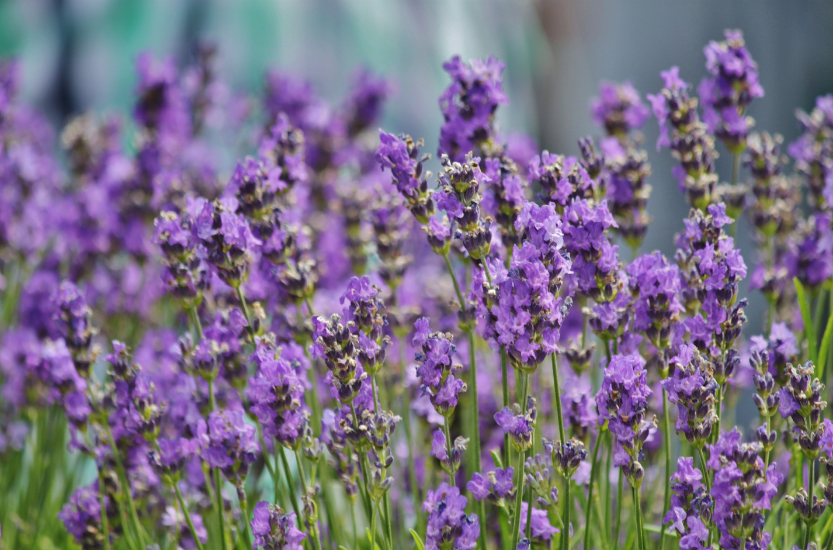
Lavender oil’s main active compounds are linalool and linalyl acetate. Lab research in Frankfurt found that, at the levels you’d reach with one 80 mg capsule a day, lavender oil damps several types of calcium channels in nerve cells.
Less calcium flowing in means overexcited nerve cells fire and pass on fewer signals. That calms an overactive nervous system without the drowsiness of sleeping pills. The researchers noted it acts in a similar range to the anxiety drug pregabalin, though not at the same binding site.
That difference matters more during withdrawal than it might seem. After years of feeling chemically blunted, many people have no appetite for swapping one heavy substance for another. What they usually want is to stay present while the buzzing stops, and a calming effect that neither knocks anyone out nor flattens them fits that need.
The form worth knowing about is Lasea: standardized lavender oil capsules with a controlled, consistent amount of the active oil. Dried lavender or a diffuser can’t give you a reliable dose. Lasea is the version used in the clinical research on lavender and anxiety.
The standard dose is one capsule a day, at about the same time each day. You can take it with or without food. Swallow it whole with a glass of water and don’t take it lying down.
Lasea in numbers
| What | Number |
|---|---|
| Lavender oil per capsule | 80 mg |
| Capsules a day in the leaflet | 1 |
| How long the main studies ran | 10 weeks |
| Adults in the 2023 meta-analysis | 1,213 |
| Longest use the leaflet allows | 3 months |
| Most common side effect | Burping, in 1 to 10 of 100 people |
Five placebo-controlled trials sit behind these numbers. Across them, Silexan, the active substance in Lasea, lowered anxiety scores more than a placebo did, and side effects were no more common than on placebo.
Lavender won’t silence every symptom. But the areas where it keeps coming up as helpful in community reports are exactly the ones that make early withdrawal miserable.
Anxiety and inner restlessness. This is the kind without a clear trigger, just a background hum that makes sitting still feel impossible.
This is also where lavender has its strongest evidence, from the anxiety studies above.
Irritability and mood swings. These are the hair-trigger reactions to small things that make withdrawal hard on relationships.
By lowering your baseline stress level, lavender can take some of the edge off.
Trouble settling down at night. Not the vivid dreams or the 3am waking, but not being able to calm down enough to fall asleep in the first place.
If your problem is a racing mind at bedtime, lavender works on exactly that. In the studies, sleep got better as anxiety went down, without the capsules making people sleepy.
For more on the sleep side specifically, read: Can’t Sleep After Quitting Weed? Here’s What Actually Helps
Free E-Book
You want to quit weed, but it feels impossible to actually stop?
Our free e-book shows you why willpower is a lie and the exact steps you need to quit for good. Enter your email below and we’ll send it to you for free.
Lavender is a gentle option. It won’t stop acute anxiety, and it won’t replace the reset your brain has to do on its own timeline. What it can do is lower the intensity of the anxiety by a noticeable margin, enough that you’re managing the discomfort instead of being swamped by it.
Most people who find it helpful describe less background restlessness rather than a dramatic calming effect. That sounds modest. But during withdrawal, anxiety at a 5 instead of an 8 makes the days a lot more survivable.
In the middle of week two, sitting at an 8 can mean not being able to focus or hold a normal conversation. Coming down to a 5 can be the difference between managing an ordinary Tuesday and losing it completely.
Lasea is not a quick fix. Give it at least a week of steady daily use before you decide whether it’s working.
Two limits come straight from the leaflet. Don’t take it for longer than three months. And if your symptoms haven’t changed after a month, or they get worse, talk to your doctor.
It’s also not meant for anyone under 18. If you take other medication, check with a pharmacist or doctor before you start.
Compared to valerian root, lavender aims more directly at anxiety, while valerian aims at sleep. That’s why people often think about using both: lavender during the day, valerian in the evening.
Check with a pharmacist before you combine them. The Lasea leaflet advises against taking it together with sedatives, other anxiety medicines or alcohol, because there’s no data on how they interact. More on valerian itself: Valerian Root for Weed Withdrawal: Does It Actually Help You Sleep?
Compared to CBD, lavender is cheaper, works through a different mechanism and is easier to dose consistently. CBD has one trial in people quitting weed, but at doses far above a normal oil. Lavender has never been tested in cannabis withdrawal, but its evidence for anxiety in general is stronger.
More on that here: CBD Oil for Cannabis Withdrawal: Does It Actually Help?
Lavender, and Lasea in particular, is one of the more underrated natural options for cannabis withdrawal. It’s gentle, affordable, not habit-forming, and it targets the anxiety and restlessness that make the first weeks so hard.
It won’t carry you through withdrawal on its own. But used consistently, it can turn the anxiety down enough to make clear thinking possible, and that matters more than it sounds when you’re in it.
The mistake is rarely trying a capsule like this, it is expecting a capsule to carry a quit. Spending three weeks hunting for the perfect supplement usually means spending three weeks avoiding the structural work that actually helps. Lavender makes the most sense as one small lever among several, worth pulling because it is cheap, gentle and not habit-forming.
If you’re looking for a structured path through the whole withdrawal process, our Cannabis Detox Program covers everything from managing anxiety in the first days to building lasting stability.
About the author
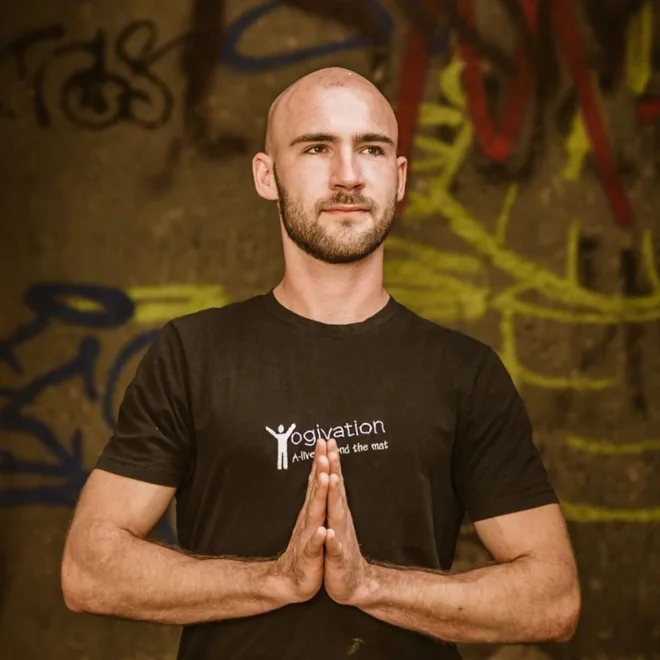
Devin M. · Meditation Coach, QSW Team
Devin is the meditation coach of the QSW team and writes about relaxation, mindfulness and natural aids that make withdrawal easier. Like everyone on the team, Devin has personal experience with quitting weed.
More about Devin →The bottle is on the kitchen counter. Thirty-two ounces, bright label, forty dollars from the smoke shop, and the guy behind the register said "yeah, pass...
Read more »
Supplements won't do the work of quitting for you, and they won't eliminate withdrawal. But some of them do make specific symptoms meaningfully easier to get…
Read more »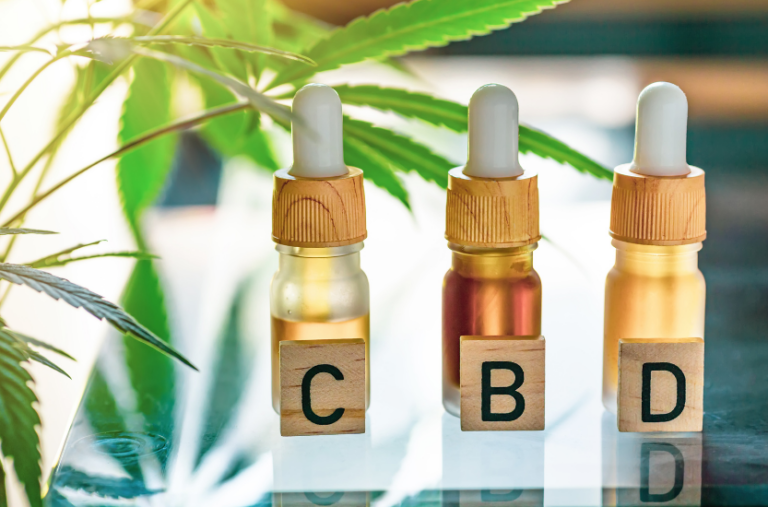
CBD has become one of the most talked-about tools for quitting weed, and the conversation ranges from "it completely eliminated my cravings" to "it did…
Read more »