How Weed Affects Your Memory: Short-Term Effects and Long-Term Damage
If you’ve used weed regularly, you know the feeling of walking into a room and forgetting why, or losing a thought mid-sentence. The link between weed and memory is well documented, but few people know how it works. Here is what THC does to your memory while you’re high, what changes after years of use, and how much comes back.
The short answer
While you’re high, THC disrupts how your brain stores new memories. That’s why things from ten minutes ago can be gone.
Years of regular use leave a duller memory even when you’re sober, especially verbal memory.
Starting as a teenager makes the effects bigger and longer-lasting.
After quitting, memory improves, often within the first weeks. For most adults it largely comes back.
What Cannabis Does to Memory While You’re High
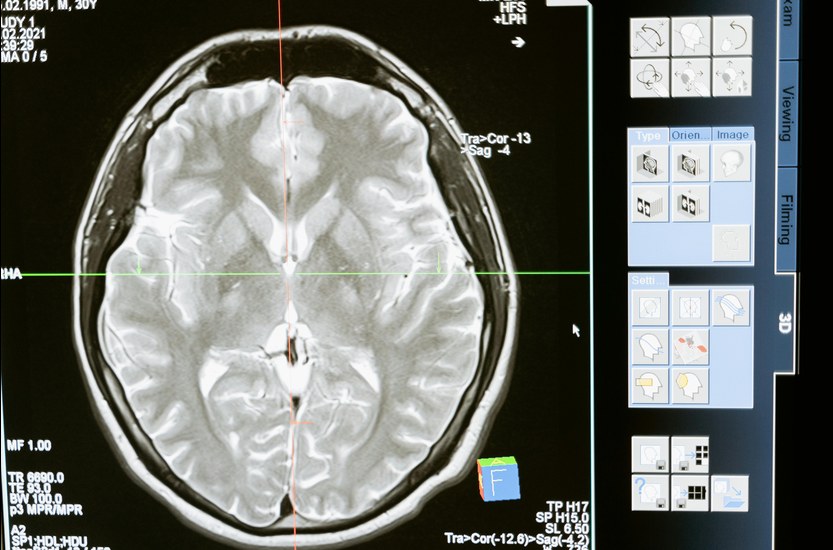
THC acts directly on the hippocampus, the part of your brain most involved in making and finding memories. It binds to cannabinoid receptors there and disrupts how new information gets stored.
That’s why it’s hard to hold on to what just happened while you’re high. You can have a conversation, walk away and barely remember it ten minutes later.
This is called acute impairment of working memory. Working memory is what you use to hold something in mind while you work with it: reading a complex text, following an argument, learning something new. All of that gets much harder while you’re high.
In occasional users, this is temporary. The brain goes back to normal once THC clears. But with regular use, the story changes.
How Regular Use Affects Memory Over Time
With frequent use, your brain’s cannabinoid system adapts. Receptors in the hippocampus respond less, and the hippocampus itself can change.
In one study of men who had smoked heavily every day for more than ten years, the hippocampus was about 12% smaller than in non-users. The more cannabis they had used over the past decade, the smaller it tended to be.
In daily life, this shows up as a memory that stays dull even when you’re not high. Many regular users describe it as brain fog: trouble concentrating, remembering recent things and finding words. It’s there between highs too, as your normal state. One former student described looking back on a year that left no mark.
A US study followed more than 3,000 adults for 25 years. For every five years of past cannabis use, verbal memory was measurably lower. In plain numbers: for every five years of use, half of people remembered one word fewer from a list of 15.
That held even after the researchers took out current users and adjusted for alcohol, smoking and other drugs. That’s a concrete, measurable difference, not a subjective complaint.
Because cannabis disrupts the hippocampus and working memory, it hits learning hard, especially in younger users.
The teenage brain is still building its wiring, and the hippocampus is one of the areas developing most during those years. Use in the teenage years seems to leave more lasting changes in memory than use that starts in adulthood.
A Harvard study tested long-term heavy users after 28 days without weed. People who started before age 17 did clearly worse than people who started later, especially on verbal skills. Those who started at 17 or later looked much like non-users.
Some of these differences can still be measured decades later. In a New Zealand study that followed about 1,000 people from birth to age 45, long-term users had lost an average of 5.5 IQ points since childhood and learned more slowly.
How weed affects memory, and what comes back
When
What happens to memory
After you stop
While high
New things don’t get stored well, recent minutes go blank
Gone once THC clears
Years of regular use
Duller memory even when sober, trouble finding words
Clear gains within the first weeks
Started before 17
Bigger gaps, especially in verbal skills
Improves, but some differences can stay
Does Memory Recover After Quitting?
Most of the memory problems from cannabis ease within a few weeks of stopping. Verbal memory, processing speed and working memory all improve measurably in the first month. Your brain is more resilient than most people assume.
In a Harvard study, young regular users stopped for a month. Their verbal learning improved, and most of that gain came in the very first week.
A large review of 69 studies in young users found something similar. Where people had been off weed for more than 72 hours before testing, the gap to non-users was no longer significant.
Heavy, long-term users, especially those who started young, can still show small differences after a long break. The New Zealand study found the clearest gaps in people who kept using for decades. How much comes back depends on how long and how heavily you used and how old you were when you started.
The encouraging part: after quitting, the direction is up. Memory improves, often noticeably, within the first four to eight weeks. You can get a clearer picture of this timeline in the overview of how benefits unfold after quitting weed.
If you use regularly and feel like your memory isn’t what it was, forgetting names, losing thoughts mid-sentence, not keeping what you read, that’s not your imagination. It’s a known effect of how THC works on the hippocampus over time.
Stopping gives your brain a real chance to recover. The first weeks can bring their own thinking problems, including the brain fog that often comes with cannabis withdrawal symptoms. But the direction after stopping is clear: memory gets better.
If you want help getting through those first weeks, our Cannabis Detox Program takes you through the three phases of quitting step by step.
Frequently Asked Questions
Does weed permanently damage memory?
For most adult users, memory largely recovers after quitting. Very heavy, long-term users, especially those who started as teenagers, may keep some small differences even after a long break. But clear recovery in the weeks after stopping is well documented.
How long does weed affect memory after quitting?
The effects of being high clear within days. Longer-lasting effects on working memory and verbal recall usually improve a lot within four to eight weeks of stopping. In moderate users, full recovery of thinking is usually complete within three months.
Does weed affect short-term or long-term memory more?
Cannabis mainly disrupts working memory and the forming of new short-term memories. Long-term memory, the things you knew before you used cannabis, is less directly affected. The main problem is storing: making new memories while high is much harder.
Why do I feel mentally slow after years of smoking?
The slower thinking, trouble recalling things and weaker word finding many long-term users describe is a real effect on the brain, not a personal failing. It comes from changes in the hippocampus and in cannabinoid receptors that build up over time. These changes largely reverse when you stop. More on this in the article about how daily cannabis use changes the brain.
Why is my memory worse in the first weeks after quitting?
Many people notice brain fog during withdrawal. Sleep is broken, mood swings and your brain's own cannabinoid system is still catching up. This is part of withdrawal, not a sign that the damage is permanent, and it usually clears as the weeks go on.
Maik smoked weed daily for more than 12 years before getting clean with the support of an addiction counseling service, where he later worked himself. Today he writes for quit-smoking-weed.com from abroad, combining lived experience with careful research on withdrawal and life after weed.
When people talk about what weed does to your brain, the conversation usually focuses on the damage side. What happens after is discussed much less, even…
We use cookies and similar technologies to store and access device information. By consenting, you allow us to process data such as browsing behavior or unique IDs on this site. Not consenting or withdrawing consent may negatively affect certain features and functions.
Functional
Always active
Storage or access is strictly necessary for the legitimate purpose of enabling the use of a specific service explicitly requested by the user, or for the sole purpose of carrying out the transmission of a communication over an electronic communications network.
Preferences
Storage or access is necessary for the legitimate purpose of storing preferences that were not requested by the subscriber or user.
Statistics
Storage or access used exclusively for statistical purposes.Storage or access used exclusively for anonymous statistical purposes. Without a subpoena, voluntary compliance by your internet service provider or additional records from a third party, information stored or retrieved for this purpose alone usually cannot be used to identify you.
Marketing
Storage or access is required to create user profiles, send advertising, or track the user across a website or across multiple websites for similar marketing purposes.