

The First 7 Days Without Weed: What I Actually Experienced
Everyone talks about quitting weed like the hard part is making the decision. Nobody really talks about what happens after - what the first night feels...
Read more »
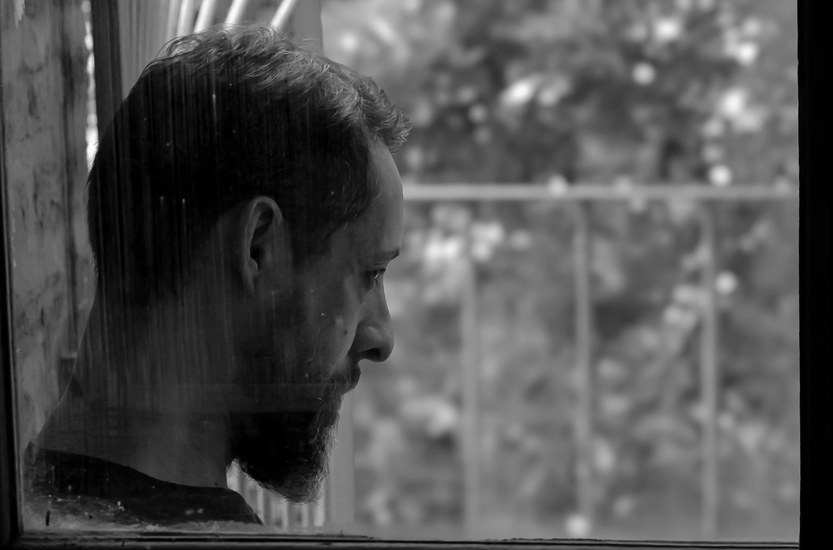
I smoked weed every day for twenty-two years, most of them working in the trades. There was no big moment and no rock bottom. I just got tired, and one Tuesday I didn’t buy more. The physical part passed in about two weeks, and the evenings turned out to be the real work.

Twenty-two years. Every day, sometimes more than once. I worked in trades (plumbing, mostly), and weed was just part of the rhythm. Mornings before work sometimes. Evenings for sure. Weekends a lot.
Nobody around me thought much of it. Half the guys I worked with did the same. It wasn’t a party thing anymore, hadn’t been for years. It was just what you did when the day was done.
I want to be clear about something. There was no big moment. No rock bottom. I didn’t wreck my marriage or lose my job. I just got tired.
My chest was tight a lot. Not chest-pain tired, just a heaviness that was always there.
I’d wake up and my first thought was whether I had enough left for the evening. Not in a panicked way. Just automatic. Like checking whether there was coffee.
At some point I noticed I hadn’t laughed properly in a long time. Not sad. Not depressed. Just flat.
My daughter would do something funny and I’d smile, but it didn’t go anywhere. Like the signal was getting through but the response wasn’t fully there.
That bothered me more than the chest.
I stopped on a Tuesday. Not because Tuesday meant anything. Just because I’d finished what I had the night before and when Monday morning came I thought: what if I just don’t get more? And then I didn’t.
The first week was rough in a physical way. Couldn’t sleep. Sweated a lot. Irritable enough that my wife gave me a wide berth, which I deserved.
I knew it was coming: I’d tried to stop twice before, lasted a few days each time, and remembered the feeling. This time I just waited it out.
Second week was stranger. Not as bad physically, but emptier. The evenings had this hollow quality. I’d sit in the kitchen after dinner and not know what to do with my hands.
Twenty-two years of the same routine, and now there was just nothing where it used to be. Not a craving exactly. More like standing in a room where the furniture’s been moved out and you keep walking into where the table used to be.
Newsletter
Stay with it, even when it feels hard right now
Join our newsletter. You will get new articles, other people’s experiences and answers to the questions we hear most often. You can unsubscribe with one click at any time.
I watched a lot of TV. Ate too much. Was bored in a way I hadn’t been since I was a teenager.
The first month, evenings were the problem. I want to be honest about that because I have seen people describe quitting like some kind of immediate transformation, and that was not my experience. The first month was just getting through it, one evening at a time.
Looking back, my first months followed the three phases most daily smokers go through after quitting.
My first months, phase by phase
Around week four, something shifted. I started sleeping properly. Deep sleep, the kind where you actually dream. I’d forgotten what that felt like.
I’d been waking up every night for years and just assumed that was how it was now, getting older, all that. Turns out that wasn’t it.
I also started noticing things were funny again. Small things. Something my wife said, something on the radio. The laugh came back. Not dramatically. Just there, where it hadn’t been.
A few people asked me why I quit. I didn’t have a great answer. My chest, I’d say. Tired of it. They’d nod like they understood, but I don’t think most of them did.
It’s hard to explain to someone who never smoked daily that after long enough, the thing stops giving you anything and just takes. You keep doing it because not doing it feels worse, not because doing it feels good.
That’s the part nobody tells you when you’re twenty and it still feels like a choice.
Six months out now. I’m not going to tell you everything is transformed. I still have bad days. I still get irritable. Some evenings are still boring.
But the flatness is gone. I feel like I’m actually in the room when things happen instead of watching them through a slightly smudged window.
My daughter hugged me last week and said I seemed more like myself. I didn’t say anything back. But she was right.
People ask if I miss it. Honestly, some evenings I do. Not the weed itself, more the ritual. The rolling, the smell, the signal that the day was done.
That part took longer to replace than the physical dependency did. I started making tea instead. Sounds small. Helped more than anything else I tried.
What I did not expect was how much weed had been blunting my thinking. Not big thoughts, small ones. Whether I actually wanted to be somewhere. Whether something was quietly bothering me. Whether there were things in my life I had stopped looking at directly.
Weed made it easy not to finish those sentences. Once it was gone, the sentences started completing themselves. Some of what came up was not comfortable. Some of it was long overdue.
If you have been smoking for ten or twenty years and you are thinking about stopping, the weed withdrawal symptoms that most people worry about (the physical stuff) passed for me in about two weeks.
The harder part is the other side of that: working out who you are in the evenings without it. That takes longer. But it is worth knowing what is there when you stop covering it up.
I kept a rough count of the money I saved in the first three months, not obsessively, just a rough figure in my head. It was enough to notice. That was not why I stopped, but it was a reminder of how automatic it had become.
You stop buying something you bought every week for twenty-two years and the absence is a number you can actually see.
The thing nobody really prepares you for is a quieter, more ordinary version of being present in your own life. I am awake in it now. That is the only way I know how to put it.
My daughter laughed at something last week and I laughed with her, properly, without it going nowhere. That is what six months without weed looks like from where I am standing. Not a transformation. Just being there.
If you’re thinking about stopping after many years yourself, our Cannabis Detox Program takes you through the first weeks phase by phase, evenings included.
Withdrawal tends to be stronger the more you used before stopping, and daily use makes it more likely. But the physical part still usually passes within a few weeks, even after decades. Brain imaging shows that the receptor changes from heavy use grow with the years of smoking, and they still returned to normal after about four weeks without weed.
In a study that followed heavy users after their last joint, symptoms usually peaked between days 2 and 6 and most lasted 4 to 14 days. Sleep and mood take longer. With active support, most daily users feel clearly more stable after about 7 weeks. After very heavy, long-term use, give it up to about 3 months.
Poor sleep is one of the most common withdrawal symptoms. In a sleep lab study, heavy users who had just stopped slept less, got less deep sleep and took longer to fall asleep than people who didn't use. For most daily users sleep is close to normal by weeks 3 to 4, though vivid dreams can last longer.
Many long-term users describe a flat mood, both while smoking and in the first weeks after quitting. In a 12-week study of 302 adults, those who cut down on cannabis saw their depression, anxiety and sleep quality improve over time.
For most people, yes. Cannabis withdrawal is mostly mild to moderate and can usually be handled at home. If you also have other mental or physical health problems, or very heavy use, talk to a doctor before you stop.

About the author
Melli I. · Copywriter, QSW Team
Melli started smoking weed at 13 and quit for good three years ago, at 25. On quit-smoking-weed.com she shares her own experience and writes carefully researched articles about withdrawal, cravings and staying clean.
More about Melli →Maik R. · 2. June 2026
Everyone talks about quitting weed like the hard part is making the decision. Nobody really talks about what happens after - what the first night feels...
Read more »
Ben C. · 31. May 2026
I used to have a theory that I did my best work slightly stoned. Not blasted, just enough to loosen things up. I designed logos and...
Read more »
Jan B. · 29. May 2026
The first thing I noticed was the smell. Not the way you notice a new smell, but the way you notice something that's always been there...
Read more »
We use cookies and similar technologies to store and access device information. By consenting, you allow us to process data such as browsing behavior or unique IDs on this site. Not consenting or withdrawing consent may negatively affect certain features and functions.