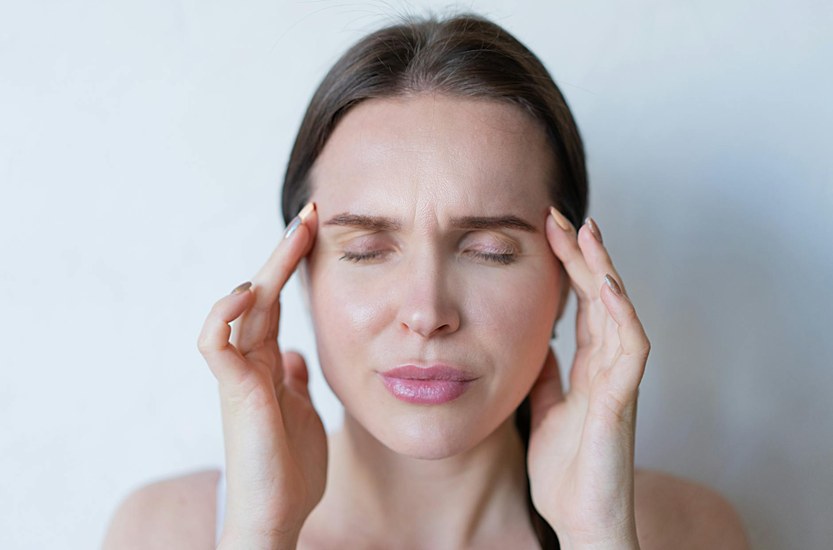
Why quitting weed causes headaches
Several mechanisms are at work:
Changes in cerebral blood flow. THC is a vasodilator — it widens blood vessels, including in the brain. When you stop, vascular tone adjusts, and the headaches that result are similar in character to caffeine-withdrawal headaches or the headaches from stopping certain blood pressure medications. The brain’s circulatory environment is normalizing, and that process can cause pressure and discomfort.
Nervous system activation. The anxiety and heightened nervous system activity of withdrawal create tension. Tension headaches — the band-around-the-forehead kind — are a predictable companion to a nervous system running at elevated arousal.
Dehydration. Many people eat and drink less in the first week of withdrawal because appetite and thirst signals are disrupted. Mild dehydration is one of the most consistent triggers of headaches. It compounds everything else.
Sleep deprivation. Sleep disruption during withdrawal is significant, and sleep deprivation is a well-established headache trigger. If you’re sleeping three to five hours and waking repeatedly, headaches are part of what follows.
What the headaches feel like
Most people report a dull, persistent pressure rather than sharp pain — similar to a tension headache or a dehydration headache. It tends to sit across the forehead and temples, or in the back of the neck. For some, it’s background noise throughout the day. For others, it’s more intense in the morning and eases through the afternoon.
If you’re experiencing sudden severe headaches — particularly if accompanied by fever, stiff neck, confusion, or vision changes — that’s not withdrawal and requires immediate medical attention.
Timeline
Headaches typically start appearing on day two or three and peak around days four to six. For most people, they reduce significantly by the end of week one and are largely gone by week two. Some people have residual tension headaches into week three, usually tied to continued sleep disruption and elevated stress levels.
What actually helps
Hydration first. Before anything else, drink water. A significant proportion of withdrawal headaches are partly or entirely dehydration-driven. Try 500ml of water and wait 20 minutes before reaching for anything else.
Ibuprofen or paracetamol. Standard OTC pain relief works for withdrawal headaches. Take it when you need it — there’s no benefit to suffering through. Be cautious about daily use beyond two weeks, as overuse can cause rebound headaches.
Cold compress or ice pack. For the forehead and temples, a cold compress can reduce the intensity of a tension or vascular headache quickly and without medication.
Magnesium. Magnesium deficiency is associated with headaches, and magnesium supplementation has evidence for reducing headache frequency. Given it also helps with sleep and anxiety during withdrawal, magnesium glycinate is one of the more useful all-around supplements for the withdrawal period.
Sleep. The best cure for a sleep-deprivation headache is sleep. This is circular and frustrating during withdrawal, but it’s true. Anything that improves sleep quality — consistent wake times, a cool room, no screens before bed — indirectly improves headache frequency. More on that: What Helps With Weed Withdrawal Insomnia.
Reduced caffeine. If you’re increasing caffeine intake to compensate for poor sleep, this can backfire. Caffeine narrows blood vessels, and rebound headaches from caffeine are common. Keep intake steady rather than cycling high and low.
FAQ
Are headaches a normal part of weed withdrawal?
Yes. They’re one of the recognized symptoms, typically most prominent in the first week. They’re not universal — some people don’t get them at all — but they’re common enough to expect rather than be surprised by.
How long do weed withdrawal headaches last?
For most people, the worst headaches are in days 3–6 and largely resolve by the end of week one. Some people have residual headaches into week two or three, usually tied to ongoing sleep disruption.
Can weed withdrawal cause migraines?
People who are already prone to migraines may find the vascular changes and sleep disruption of withdrawal trigger migraine episodes. True migraines (with aura, severe light sensitivity, or visual disturbance) are different from typical withdrawal headaches and may need specific migraine management. Speak with a doctor if migraines are significantly affecting function.