THC: the psychoactive compound
Tetrahydrocannabinol (THC) is the compound responsible for the “high” produced by cannabis. It binds directly to CB1 receptors in the brain — receptors that are part of the endocannabinoid system, which regulates mood, memory, pain, appetite, and stress response. When THC activates CB1 receptors, it produces the characteristic effects of cannabis intoxication: euphoria, altered perception of time, increased appetite, impaired short-term memory, and — for some people and in some situations — anxiety or paranoia.
These effects are dose-dependent and vary significantly with the potency of the product consumed and individual sensitivity. THC is also the compound responsible for tolerance, dependence, and withdrawal. Regular CB1 receptor activation causes the brain to downregulate receptor density — producing tolerance (needing more for the same effect) and the physical adaptation that leads to withdrawal symptoms when use stops. For a deeper look at these brain changes: How Daily Cannabis Use Changes the Brain. And on the addiction question: Is Cannabis Addictive?
CBD: the non-psychoactive cannabinoid
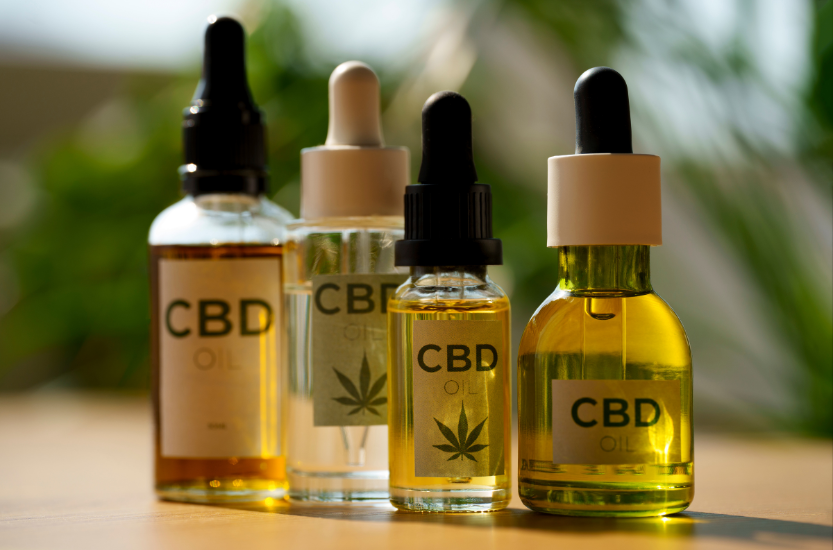
Cannabidiol (CBD) is the second major cannabinoid in cannabis. Unlike THC, it doesn’t bind directly to CB1 receptors and doesn’t produce intoxication. You can’t get high from CBD alone.
CBD has a more complex pharmacological profile: it interacts with multiple receptor systems, including serotonin receptors (5-HT1A) and TRPV1 channels, and it modulates the endocannabinoid system indirectly. The clinical evidence base for CBD includes well-established anticonvulsant effects (the FDA-approved Epidiolex for certain epilepsy conditions), meaningful evidence for anxiety reduction, and emerging evidence for sleep support.
CBD may also moderate some of THC’s more negative effects — particularly anxiety and paranoia — when present alongside THC. This is part of the reason that high-CBD, lower-THC strains tend to produce less anxiety in users who are sensitive to THC’s anxiety-inducing effects. The shift toward high-THC commercial products has reduced this natural moderation in much of the market. More on this trend: Why Today’s Cannabis Is Stronger Than Ever.
The key practical differences
Intoxication: THC produces it. CBD does not.
Dependence: THC is responsible for cannabis dependence and withdrawal. CBD does not produce dependence.
Legal status: THC’s legal status varies dramatically by jurisdiction. CBD extracted from hemp is legal in most of Europe and the US when THC content is below threshold levels.
Drug tests: THC metabolites are what standard drug tests detect. Pure CBD products shouldn’t trigger a positive — but many CBD products contain trace amounts of THC that can accumulate with regular use.
CBD during cannabis withdrawal
One question that comes up often: can CBD help during cannabis withdrawal? The answer is nuanced. CBD doesn’t replace THC or prevent withdrawal. But its anxiolytic properties may reduce the anxiety spike of early withdrawal, and its effect on sleep via multiple receptor systems may help with the insomnia component. Some people find it a useful bridge during the transition period. More detail: Using CBD to Quit Weed.
FAQ
Will CBD get you high?
No. CBD does not bind to CB1 receptors in a way that produces intoxication. Products marketed as “CBD” that produce a noticeable high likely contain significant amounts of THC — which is common with unregulated products.
Is CBD addictive?
Current evidence suggests CBD does not produce dependence. The WHO has stated that CBD exhibits no abuse potential. It doesn’t activate the reward pathways in the same way THC does, and there are no recognized withdrawal symptoms from stopping CBD.
Should I use CBD to help quit weed?
It may help with specific symptoms — particularly anxiety and sleep — but it’s not a substitute for THC and won’t prevent withdrawal. If you find it genuinely useful during the transition period, there’s no reason not to use it. More context: Using CBD to Quit Weed.