
How to Detox From Weed at Home: What Actually Speeds It Up (and What Does Not)
It's Sunday night. The offer letter came Friday, the screening is Wednesday, and you've had the same tab open for an hour: how to detox from...
Read more »

The short answer
Exercise. By far the most reliable tool for weed withdrawal. It’s not a supplement, but it works better than any of them. Cardio releases endorphins and dopamine through the same reward pathways weed was pushing from the outside.
Even 20 minutes of running, cycling or fast walking changes how the next few hours feel. It lowers anxiety, improves sleep, cuts brain fog and lifts the flat mood of weeks two through four more reliably than anything else. In a small pilot study, ten 30-minute treadmill sessions over two weeks reduced cravings and weed use in dependent adults. Start with whatever you can manage.
Sleep. Thinking, mood and physical recovery all depend on how well you sleep. Anything that improves your sleep during withdrawal improves everything else.
That means a fixed wake time, a cool dark room, no alcohol, and the right supplement for your specific sleep problem. More detail: Weed Withdrawal Insomnia: What’s Happening and What Actually Helps
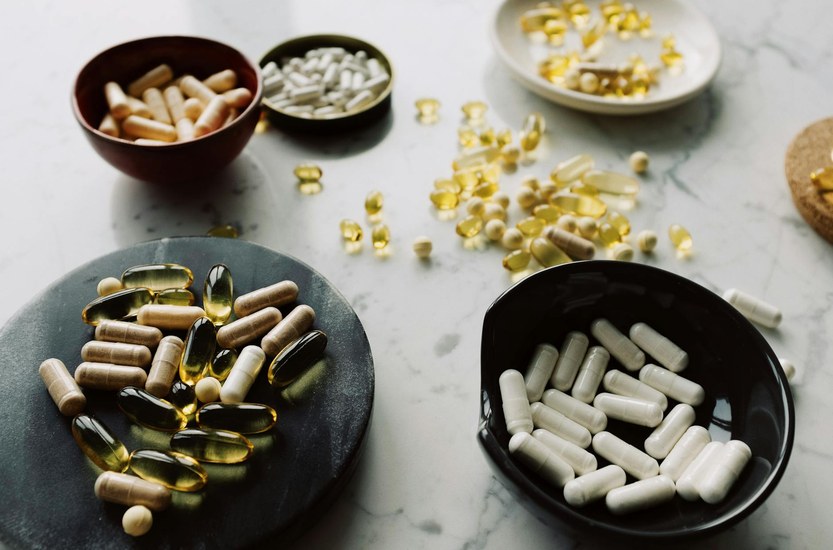
Magnesium glycinate. The most broadly useful supplement for withdrawal. Magnesium plays a central role in calming the nervous system, in sleep and in anxiety. Take it at night, 30 to 60 minutes before bed. It calms an overactive nervous system, deepens sleep and takes the edge off anxiety.
Keep it at or below 350mg a day from supplements. That’s the upper limit set in the US, and more than that mostly brings diarrhea. Full breakdown: Magnesium for Cannabis Withdrawal
Lavender oil (silexan), sold as Lasea. The one supplement with solid evidence from randomized trials for anxiety. In one trial with people with generalized anxiety, it worked about as well as a low dose of the anti-anxiety drug lorazepam, without making people drowsy or dependent.
It’s useful for the first two to four weeks of withdrawal. Full breakdown: Lavender for Cannabis Withdrawal: Does Lasea Work?
CBD. There is early evidence that CBD calms anxiety and supports sleep, without the high from THC. It’s most useful in the first two weeks for anxiety and sleep. Full breakdown: CBD for Cannabis Withdrawal: Does It Help?
Melatonin. Useful only when the main problem is taking too long to fall asleep. Use a low dose: 0.5 to 1mg, 30 to 60 minutes before bed. Higher doses make the vivid dreams from REM rebound even stronger. Full breakdown: Melatonin for Weed Withdrawal: Does It Fix Sleep?
Inositol. It supports serotonin signaling and is relevant for the anxiety and mood dips of withdrawal. Most people tolerate it well, and some get a real benefit. Full breakdown: Inositol for Cannabis Withdrawal
Taking all of them at once is the most common mistake. When several start on the same day, any improvement can’t be credited to one of them, and if one causes a side effect, there is no way to tell which one it was. Matching one remedy to one symptom is the only way to learn what actually helped.
Which symptom bothers you most depends a lot on where you are in withdrawal. In our Cannabis Detox Program we split it into three phases:
Which symptoms tend to lead in each phase
So in the first days, sleep, nausea and anxiety matter most. After that, the focus moves to mood, focus and cravings.
Sleep problems: magnesium glycinate, a cool room and a fixed wake time. Add low-dose melatonin if falling asleep is the specific problem. Sleep Aids for Weed Withdrawal: Full Guide
Anxiety: exercise works best, with lavender oil (Lasea) as supplement support. Breathing calms acute anxiety in real time: 4 seconds in, hold for 4, 6 seconds out. The long exhale stimulates the vagus nerve. Full breakdown: Cannabis Withdrawal Anxiety: What Works
Brain fog and focus: exercise and sleep above all else. Supplement support: Focus Supplements for Quitting Weed
Flat mood and anhedonia: exercise gets your dopamine system going without any outside substance. That makes it the most direct thing you can do. A daily structure and time with other people help too.
Nausea: small, frequent meals, ginger tea, and never an empty stomach. It usually clears up within ten days.
Night sweats: a cool room, light bedding, enough water and magnesium at night. Full guide: Cannabis Withdrawal Sweating: What’s Normal
Free E-Book
You want to quit weed, but it feels impossible to actually stop?
Our free e-book shows you why willpower is a lie and the exact steps you need to quit for good. Enter your email below and we’ll send it to you for free.
Structure. Fixed sleep and wake times, regular meals, and a daily routine that doesn’t use weed as a cue or a reward. During withdrawal, routine works like an anchor for your nervous system.
Cold exposure. Cold showers can take the edge off anxiety and irritability through the vagus nerve. The effect is real, even if it varies from person to person. Worth trying in the first week.
Breathwork. Breathing with a long exhale (4 in, hold, 6 to 8 out) switches on the part of your nervous system that calms you down. Use it when anxiety peaks. The effect is physical, not a matter of motivation.
Alcohol. It may seem to take the edge off, but it breaks up your sleep, makes the next day more anxious and is a common way back to weed. Avoid it in the first two weeks.
It’s also the most common thing people reach for. In a survey of 469 adults who had tried to quit, 41.5% used alcohol to ease their withdrawal symptoms, more than the share who used weed itself.
How alcohol keeps withdrawal going
Most detox teas and generic supplements. There is no real evidence for most of the detox products on the market. The exceptions are the supplements with evidence listed above.
Detox products sell the idea that something is being pushed out of the body, and that is not what happens during withdrawal. What withdrawal needs is time, and no tea shortens it.
For most people, withdrawal is uncomfortable, not dangerous. Get medical support if anxiety gets so bad you can’t function, you have panic attacks, you don’t sleep at all for several nights in a row, or you’re still clearly depressed after week four.
A doctor can prescribe short-term help for sleep or anxiety. There is no approved medication made specifically for cannabis withdrawal, but doctors use some medications off-label for single symptoms, and that’s a legitimate option.
Managing symptoms is one part of getting through withdrawal. The other is being prepared before you start and having a strategy for the weeks ahead.
That second part matters because of where people tend to give up. It is rarely the bad nights of the first week. It is the long stretch after the physical symptoms have faded, when nothing much feels good yet and the novelty of quitting has worn off.
No single remedy carries you through withdrawal. Exercise and sleep do the heavy lifting, and the supplements take the edge off the symptom that hits you hardest.
If you want a plan that puts all of this in the right order, phase by phase, our Cannabis Detox Program is built for exactly that.

About the author
Melli I. · Copywriter, QSW Team
Melli started smoking weed at 13 and quit for good three years ago, at 25. On quit-smoking-weed.com she shares her own experience and writes carefully researched articles about withdrawal, cravings and staying clean.
More about Melli →It's Sunday night. The offer letter came Friday, the screening is Wednesday, and you've had the same tab open for an hour: how to detox from...
Read more »
Day three. You're at the kitchen table with the cuff still on your arm, and the number is 148 over 94. Two weeks ago, still smoking...
Read more »
You expected the irritability. You braced for the bad sleep. But the stomach stuff catches a lot of people off guard. You stop smoking and suddenly...
Read more »