
Do Weed Detox Drinks Actually Work? What They Do, What They Do Not
The bottle is on the kitchen counter. Thirty-two ounces, bright label, forty dollars from the smoke shop, and the guy behind the register said "yeah, pass...
Read more »


The short answer
THC suppresses REM sleep, the dreaming phase that plays a role in memory and in processing emotions. If you’ve been smoking daily for months or years, your brain has gotten used to a lot less REM.
When you stop, it overcorrects. This is called REM rebound. Your brain floods you with the REM sleep it’s been missing: intense dreams, frequent waking, and nights that feel more exhausting than restful.
This isn’t a sign something is wrong. It’s your nervous system recalibrating. But it matters, because sleep trouble is the withdrawal symptom most linked to going back to smoking (review on cannabis withdrawal). Here’s how sleep usually changes across our three phases:
Your sleep in the three phases after quitting
Most people have disrupted sleep for two to four weeks, with the worst of it in the first ten days. For the full picture of what your body goes through, read: Weed Withdrawal Timeline: Day-by-Day Guide for Heavy Users
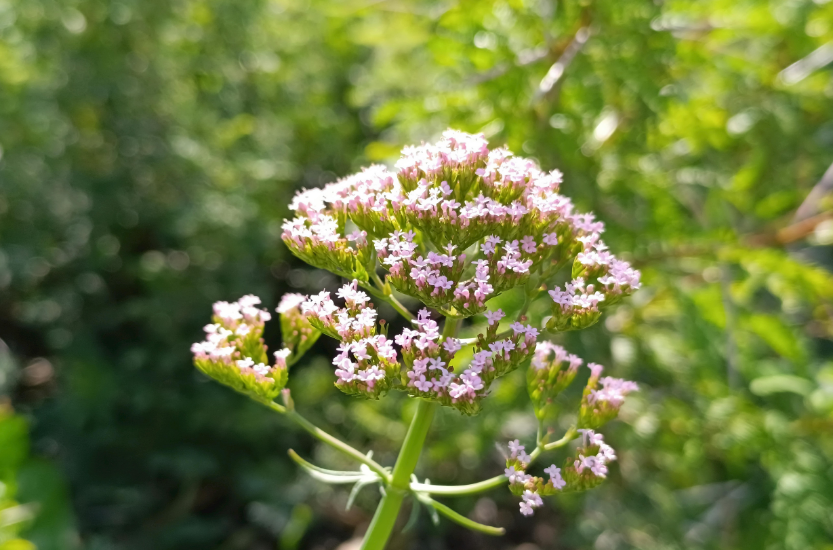
Valerian (Valeriana officinalis) contains compounds that are thought to act on GABA receptors in the brain. Many prescription sleep aids target the same receptors, but valerian is much gentler. It doesn’t knock you out. The idea is that it makes it easier to drift off and to stay asleep.
This is exactly why it’s worth considering during cannabis withdrawal. You don’t need a sedative. You need something that takes the edge off a wired, overstimulated nervous system and lets your own sleep mechanisms do the rest.
Valerian won’t restore your sleep overnight. But for some people it means a little more sleep and a calmer start to the night. When you’re deep in withdrawal, that difference matters more than it sounds.
There’s no research on valerian for cannabis withdrawal specifically. For sleep problems in general, the evidence is mixed.
A review of 16 studies with about 1,100 people found that people taking valerian were about 1.8 times as likely to report better sleep. But most of the studies had serious flaws, and there were signs that positive results were more likely to be published (meta-analysis on valerian for sleep).
A second review of 18 studies found the same pattern. People said they slept better, but the measured time to fall asleep was less than one minute shorter than with a placebo (second meta-analysis on valerian).
What the big valerian reviews found
| Review | What they looked at | Result |
|---|---|---|
| Bent et al. 2006 | 16 studies, about 1,100 people | About 1.8 times as likely to report better sleep, many study flaws |
| Fernández-San-Martín et al. 2010 | 18 studies | Felt better, but time to fall asleep less than 1 minute shorter |
| US sleep medicine guideline 2017 | Long-term insomnia | Recommended against valerian for chronic insomnia |
The honest answer: it works for some people and doesn’t move the needle for others. People who like it usually say it helps them settle down and drift off. If your problem is waking every hour no matter how you fall asleep, valerian alone probably won’t solve it. In that case, combining it with melatonin or trying CBD are both worth considering.
Read more: Can’t Sleep After Quitting Weed? Here’s What Actually Helps
Most people take valerian wrong, and then conclude it doesn’t work. The two most common mistakes are taking too little and expecting instant results.
Dose: 300 to 600 mg of standardized valerian extract. That’s the range that has been used with apparent safety for up to six weeks. Start at the lower end and increase if you feel nothing after several nights.
Timing: Take it 1 to 2 hours before bed, not right before. Swallowing it ten minutes before you turn off the light gives it too little time.
Duration: Valerian is not a one-night fix. Some people only notice a difference after several nights of regular use. Give it at least five to seven nights before you decide whether it’s working for you. One dose tells you nothing.
Combination: Valerian is often combined with hops and passionflower. Some people find the mix works better for them than valerian alone, though studies haven’t settled that. Many sleep formulas include all three; this combination is worth looking for when choosing a product.
Safety: Possible side effects include headache, stomach upset, grogginess and, ironically, vivid dreams. In very rare cases, liver problems were reported, mostly when valerian was combined with other herbs. Don’t take it with alcohol or sleeping pills, and check with a pharmacist or doctor if you take other medication or are pregnant.
Free E-Book
You want to quit weed, but it feels impossible to actually stop?
Our free e-book shows you why willpower is a lie and the exact steps you need to quit for good. Enter your email below and we’ll send it to you for free.
Valerian won’t give you normal sleep during acute withdrawal. Nothing will, fully, because your brain genuinely needs time to rebuild its sleep architecture after months or years of THC suppression.
What it may do is make it a bit easier to settle down and fall asleep. People who find it helpful often describe sleeping a little longer, waking slightly less often, and feeling less wrecked in the morning. That’s a modest result, but in the middle of withdrawal, modest results matter a great deal.
If you’ve used valerian consistently for a week and nothing has changed, it’s worth switching or adding another option. CBD oil works through a different mechanism (targeting anxiety and physical tension rather than GABA directly), and some people respond much better to it.
Read more: Using CBD to Quit Weed: Can It Really Help With Cannabis Withdrawal?
If your sleep problems are severe (consistently under three hours, with significant anxiety or panic), talking to a doctor is the right move. Some withdrawal cases go beyond what supplements can handle.
Valerian root won’t fix withdrawal sleep. Nothing will, fully, because your brain needs real time to recalibrate after years of THC suppression.
But used the right way (a steady dose, taken well before bed, for at least a week), it may help your nervous system settle enough to sleep. It’s gentle, short-term use looks safe for most adults, and the worst case is that it simply doesn’t work for you.
If you want more than symptom management and a structured path through withdrawal, our Cannabis Detox Program covers the full picture, from the first sleepless nights through to rebuilding a life you don’t need to escape from.

About the author
Sabrina S. · Health Coach, QSW Team
Sabrina is the health coach of the QSW team. Like everyone on the team, Sabrina knows cannabis from personal experience and covers what your body goes through when you quit: sleep, sweating, appetite and recovery.
More about Sabrina →The bottle is on the kitchen counter. Thirty-two ounces, bright label, forty dollars from the smoke shop, and the guy behind the register said "yeah, pass...
Read more »
Supplements won't do the work of quitting for you, and they won't eliminate withdrawal. But some of them do make specific symptoms meaningfully easier to get…
Read more »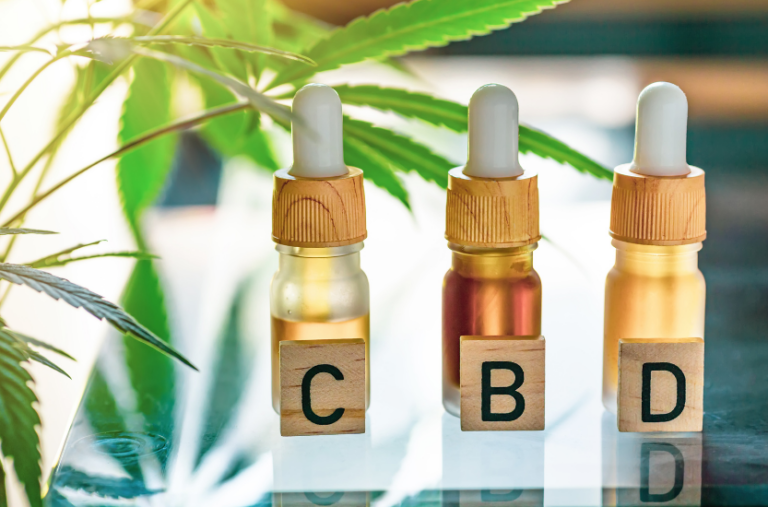
CBD has become one of the most talked-about tools for quitting weed, and the conversation ranges from "it completely eliminated my cravings" to "it did…
Read more »